Scoliosis is a condition where the spine curves sideways. This curve can affect posture and cause discomfort. Learning how to manage scoliosis and improve posture is important for spine health and daily comfort. Early management can help prevent back pain and other problems. In this guide, you will find expert advice on scoliosis management, posture improvement, and when to seek help from an orthopedic specialist.
Symptoms of Scoliosis
Recognizing the signs of scoliosis early can make a big difference. Often, symptoms are mild at first. However, they may become more noticeable as the curve worsens. Common symptoms include:Uneven shoulders or hipsOne shoulder blade sticks out more than the otherVisible curve in the spineClothes do not fit evenlyBack pain, especially after standing or sittingLeaning to one sideFatigue in the back after activity
Causes and Risk Factors
Scoliosis can have several causes. In most cases, the exact reason is unknown. This is called idiopathic scoliosis. However, some known causes and risk factors include:Family history of scoliosisNeuromuscular conditions, such as cerebral palsyBirth defects affecting the spineInjuries or infections of the spineMore common in children and teens during growth spurtsGirls are at higher risk for severe curves
Diagnosis
Doctors use several methods to diagnose scoliosis. First, they perform a physical exam. During this exam, you may be asked to bend forward. This helps the doctor see any curves or unevenness. Next, imaging tests like X-rays are used. X-rays show the exact shape and size of the curve. Sometimes, MRI or CT scans are needed for more detail. Early diagnosis helps guide the best treatment plan.
Treatment Options
Treatment for scoliosis depends on the curve’s size and your age. Not every case need surgery. Many people manage scoliosis with non-surgical methods. Here are the main options:Observation: For mild curves, regular check-ups track changes.Physical Therapy: Exercises can strengthen back muscles and improve posture.Bracing: Wearing a brace can stop the curve from getting worse, especially in children.Surgery: For severe curves, surgery may be needed. Surgeons straighten and support the spine with rods and screws.
Most people do well with non-surgical treatments. However, surgery is considered if the curve is large or causes pain and breathing problems.
Posture Improvement Tips
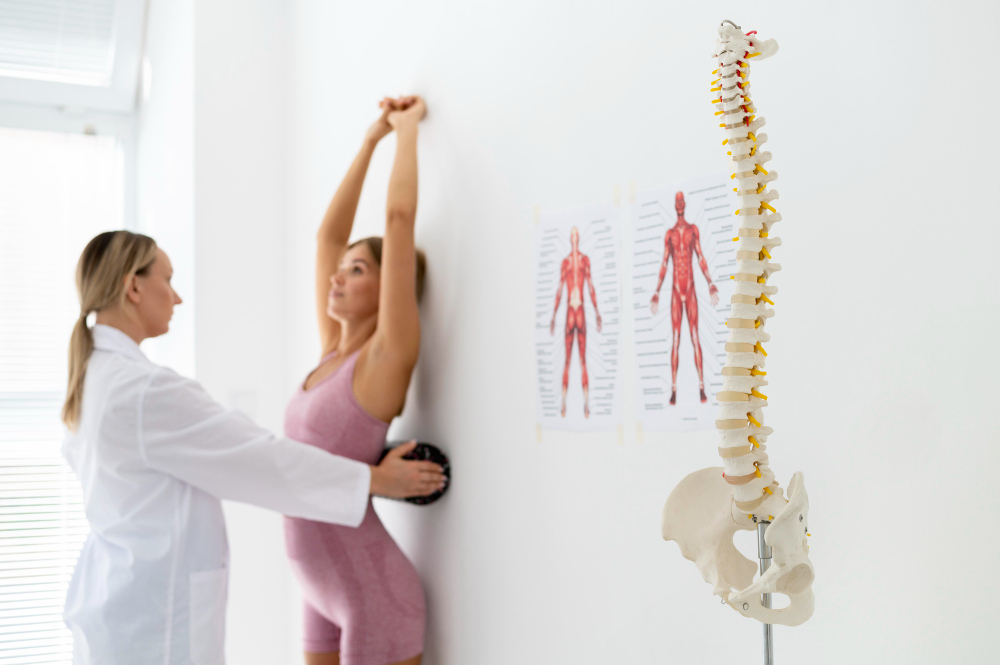
Improving posture is key for people with scoliosis. Good posture can reduce pain and help you move better. Try these tips and exercises:Practice standing tall with shoulders backUse a chair with good back supportTake breaks to stretch if sitting for long periodsDo gentle back stretches dailyTry core-strengthening exercises, like planks or bridgesUse a firm mattress for sleepingKeep screens at eye level to avoid slouchingWear supportive shoes
Always talk to your doctor or physical therapist before starting new exercises.
Prevention and Lifestyle Guidance
While you cannot always prevent scoliosis, healthy habits can support your spine. For example, staying active keeps your back strong. Eating a balanced diet helps bones stay healthy. Also, avoid carrying heavy bags on one shoulder. If you notice changes in your posture, seek advice early. Regular check-ups can catch problems before they get worse.
When to See an Orthopedic Specialist
It is important to know when to seek help. See an orthopedic specialist if you notice:Uneven shoulders or hipsBack pain that does not go awayVisible curve in your spineDifficulty breathing or movingRapid changes in posture
Early treatment can prevent future problems and improve your quality of life.
Conclusion and Call-to-Action
Managing scoliosis and improving posture is possible with the right steps. Early diagnosis, proper treatment, and healthy habits all play a role. If you or your loved one has signs of scoliosis, consult an orthopedic specialist at SRS Ortho Specialty Clinics. They can offer personalized advice and help you achieve better spine health.