What Are Geriatric Fractures?
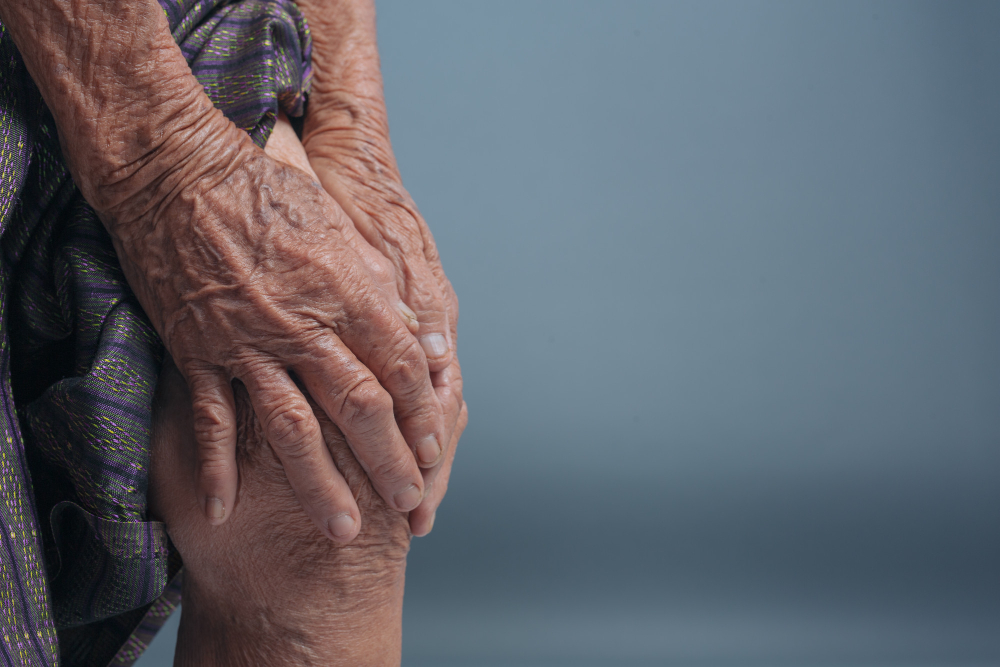
Geriatric fractures are broken bones that happen in older adults, usually those over 65 years old. These fractures often occur because bones become weaker with age. In fact, elderly bone fractures are a common health issue worldwide. According to the World Health Organization, millions of senior’s experiences fractures each year. Because bones lose strength, even a small fall can cause a break. For this reason, fracture care in seniors is very important.
Common Causes and Risk Factors
Many things can lead to geriatric fractures. Most often, these breaks happen after a simple fall. However, other causes and risk factors include:Osteoporosis: This condition makes bones thin and weak. It is a leading cause of osteoporosis-related fractures in seniors.Balance problems: Poor balance increases the risk of falling.Vision loss: Poor eyesight can make it easier to trip or fall.Medications: Some drugs can cause dizziness or drowsiness.Chronic illnesses: Conditions like arthritis or diabetes can affect bone health and movement.Muscle weakness: Weak muscles make it harder to stay steady.
As people age, their bones lose calcium and become more fragile. Therefore, seniors face a higher risk of fractures than younger adults.
Typical Symptoms and Warning Signs
Geriatric fractures can cause many symptoms. Some signs are easy to notice, while others may be mild. For example, you may see:Sudden pain at the site of injurySwelling or bruisingDifficulty moving the affected areaDeformity or a limb that looks out of placeInability to put weight on the leg or arm
Sometimes, the pain may be mild at first. However, it can get worse with movement. If you notice any of these symptoms, seek medical help right away.
Diagnosis Methods
Doctors use several methods to diagnose geriatric fractures. First, they will ask about how the injury happened. Next, they will check the injured area. To confirm the fracture, doctors may use:X-rays: These images show broken bones clearly.CT scans: These give more detail if the break is complex.MRI scans: These help find small or hidden fractures.
In some cases, doctors may also check for osteoporosis. This helps them plan the best fracture care in seniors.
Treatment Options for Geriatric Fractures
Treatment depends on the type and location of the fracture. Both surgical and non-surgical options are available. For example:Non-surgical treatment: Doctors may use casts, splints, or braces to keep the bone in place. Pain medicine and rest are also important.Surgical treatment: Some fractures need surgery. Surgeons may use metal plates, screws, or rods to hold the bone together.
After treatment, physical therapy helps restore movement and strength. Early care can lower the risk of problems and help seniors recover faster.
Prevention Tips and Lifestyle Guidance
Preventing geriatric fractures is possible with a few lifestyle changes. Here are some helpful tips:Eat foods rich in calcium and vitamin DExercise regularly to keep bones and muscles strongRemove tripping hazards at home, such as loose rugsUse handrails on stairs and in bathroomsHave regular vision and hearing checksReview medications with your doctor to avoid side effects
Additionally, quitting smoking and limiting alcohol can help protect bone health. Small changes can make a big difference in preventing elderly bone fractures.
Recovery and Rehabilitation
Recovery from geriatric fractures can take time. However, with the right care, most seniors regain their strength. Rehabilitation often includes:Physical therapy to improve movementOccupational therapy to help with daily tasksSupport from family and caregivers
Staying active and following the doctor’s advice can speed up healing. For best results, attend all follow-up visits and therapy sessions.
Conclusion
Geriatric fractures are a serious health concern for older adults. However, early diagnosis and proper treatment can lead to a good recovery. Prevention and healthy habits also play a key role. If you or a loved one has signs of a fracture, consult an orthopedic specialist at SRS Ortho Specialty Clinics for personalized advice on geriatric fractures.