
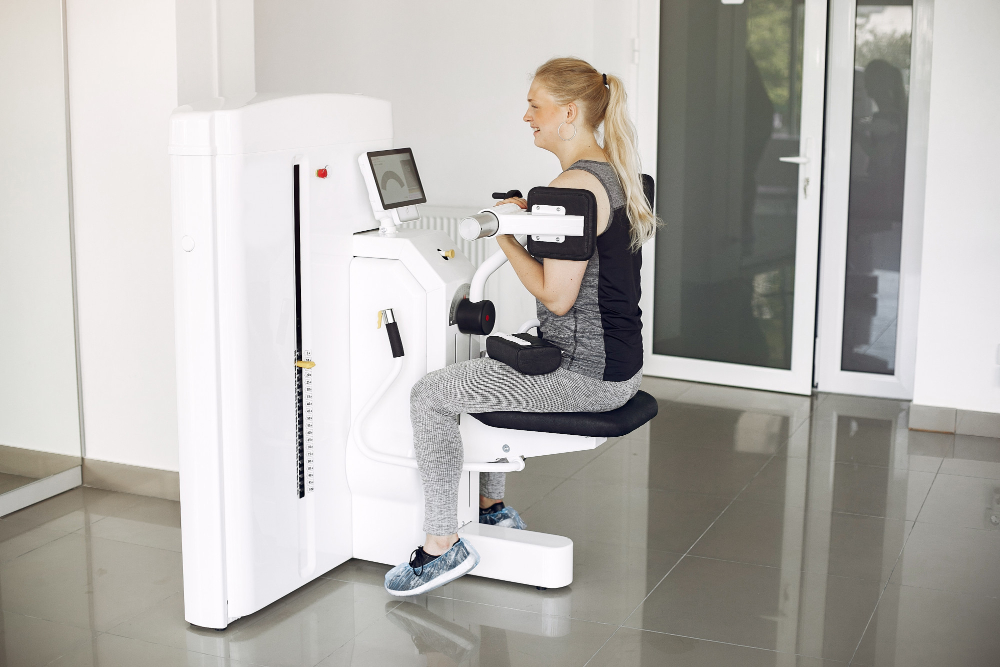
Introduction to Robotic Physiotherapy in Orthopedic Recovery
Robotic physiotherapy in orthopedic recovery is changing how patients heal after surgery. Today, many people want faster and safer ways to get back on their feet. Because of this, robot-assisted physical therapy is gaining popularity. In fact, new technology is making recovery easier for both patients and therapists. This blog will explain how robotic physiotherapy works, its benefits, and what the future holds for this exciting field.
How Robotic Physiotherapy Works
Robotic physiotherapy uses special machines to help patients move and exercise. These robots guide the body through safe, controlled motions. For example, after knee or hip surgery, a robot can help a patient bend and straighten the joint. Some robots look like braces or exoskeletons that support the body. Others are machines with moving arms or legs. Therapists use these tools to track progress and adjust exercises as needed. As a result, patients can practice movements many times in a safe way.
Benefits and Potential Limitations
There are many benefits to using robotic physiotherapy in orthopedic recovery. Some of the main advantages include:More accurate and repeatable movementsPersonalized exercise programsFaster progress for some patientsLess risk of injury during therapyReal-time feedback for both patient and therapist
However, there are also some limitations. For instance, not all patients may need or benefit from robotic therapy. Sometimes, the cost can be high. In addition, some clinics may not have access to the latest machines. Despite these challenges, many experts believe the future of rehabilitation technology will include more robotic options.
Current Advancements and Future Trends
Today, robotic physiotherapy is advancing quickly. New robots are becoming smaller, lighter, and easier to use. Some devices now use artificial intelligence to adjust exercises in real time. Because of these improvements, more patients can benefit from robot-assisted physical therapy. In the future, we may see home-based robots that help people recover outside the clinic. Also, virtual reality and smart sensors may become part of daily rehab. These trends point to a future where recovery is faster, safer, and more comfortable for everyone.
Patient Experience and Outcomes
Many patients report positive experiences with robotic physiotherapy. For example, some say they feel more motivated during sessions. Others notice less pain and faster progress. Studies from trusted sources, like the World Health Organization, show that robot-assisted therapy can improve movement and strength after orthopedic surgery. Still, each person’s recovery is unique. Therefore, results may vary based on age, health, and the type of surgery.
Safety, Accessibility, and Cost Considerations
Safety is a top priority in robotic physiotherapy. Most machines have built-in sensors to prevent injury. Therapists always supervise sessions to ensure proper use. However, accessibility can be an issue. Not all hospitals or clinics offer robotic therapy yet. In addition, the cost of these machines can be high. Insurance may not always cover the treatment. But as technology improves, prices may drop, making robot-assisted physical therapy more available to everyone.
Practical Tips for Patients Considering Robotic Physiotherapy
If you are thinking about robotic physiotherapy, here are some helpful tips:Talk to your orthopedic specialist about your optionsAsk if robotic therapy is right for your type of surgeryCheck if your clinic offers robot-assisted physical therapyFind out about costs and insurance coverageFollow your therapist’s advice for the best results
Remember, every recovery journey is different. Because of this, it is important to choose the therapy that fits your needs.
Conclusion
Robotic physiotherapy in orthopedic recovery is shaping the future of rehabilitation technology. With its many benefits and ongoing advancements, more patients can look forward to better outcomes. However, it is important to weigh the pros and cons before starting any new therapy. Consult SRS Ortho Specialty Clinics to learn if robotic physiotherapy is right for your recovery.